
Powerless in the ‘Power State’
Thanks to chronic electricity and water shortages, hospitals are being forced to withhold critical care.

Justina Asishana in Minna
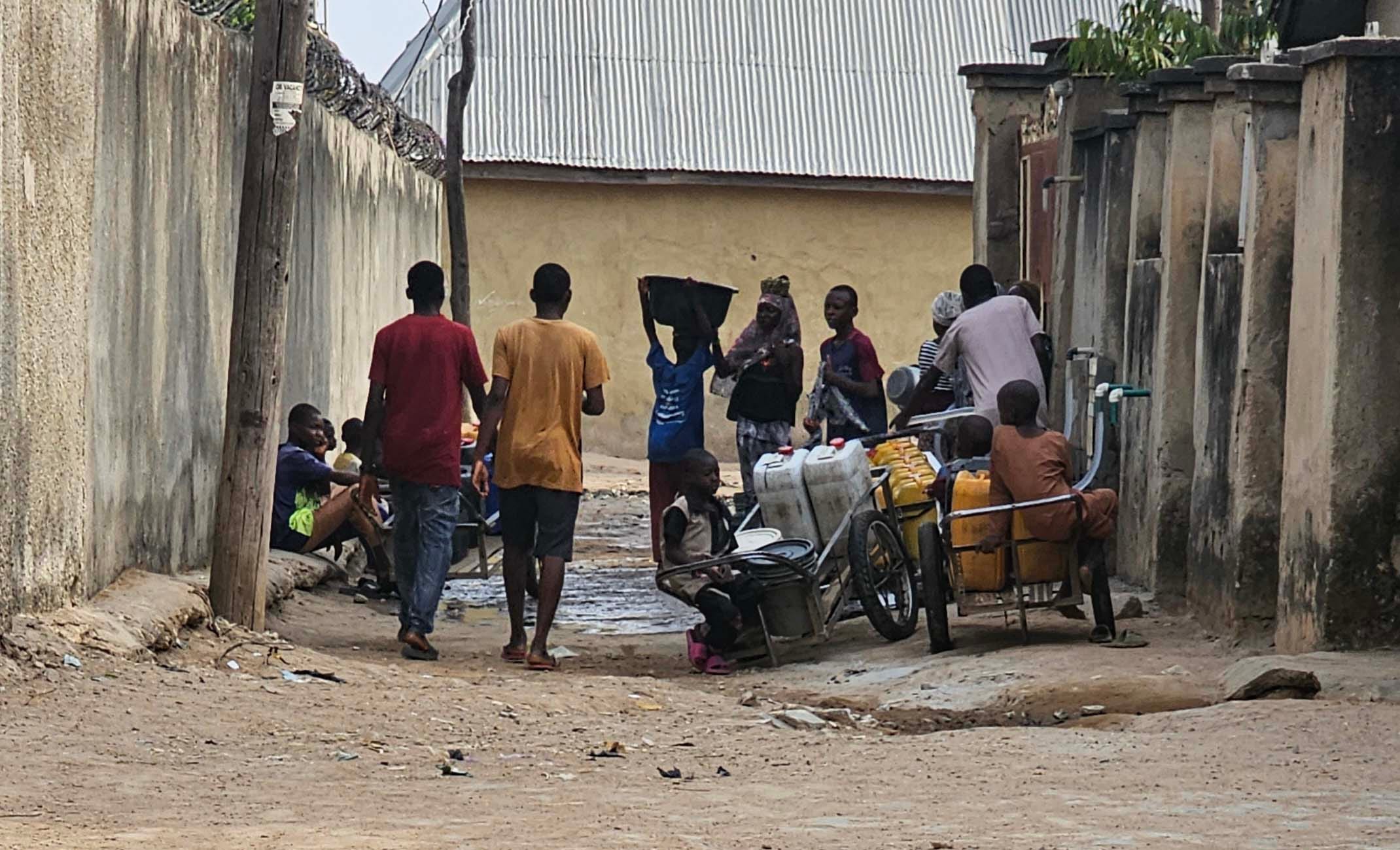
Imagine facing water shortages so severe you’re forced to buy water from vendors, just so your hospitalised relatives can bathe. This is the grim reality for residents of Niger State in central Nigeria, thanks to widespread power outages that have also throttled water supplies.
This is despite Niger State’s reputation as the “Power State” – it hosts four of the country’s major hydroelectric dams: Kainji, Jebba, Shingoro, and Zungeru.
In recent weeks, power supplies have been limited to just two, four or eight hours a day. The Abuja Electricity Distribution Company, which is responsible for the distribution of electricity in the state, has blamed unusually hot weather and non-payment of bills for the outages. The company has been criticised for failing to invest in the grid’s infrastructure, and state authorities have created a new commission to take over distribution responsibilities.
The power shortage has a direct impact on the availability of water, as most boreholes need electricity to pump water. Without water, everyday life – including urgent medical care – grinds to a halt.
The Jummai Babangida Aliyu Neonatal and Maternity Hospital in Minna, the capital of Niger State, has been without electricity or running water since 1 May.
Families are obliged to buy water for their loved ones in critical condition, and many face a cruel choice: pay exorbitant fees at private hospitals or risk watching them die from lack of care.
Residents and institutions alike are scrambling for solutions. Even Niger State’s government house has had to install a solar grid to assure its own access to electricity – an implicit admission that the public grid is failing.
While this may ease pressure on government facilities, it does little to help the ordinary people bearing the brunt of systemic neglect in the country’s “Power State”. Mobile water tankers have increased their rates by as much as 500%, while traders and service providers have been forced to raise prices.