
Power, abuse and silence
At least three prominent pastors in Zimbabwe are facing allegations of sexually abusing their congregants.

Jeffrey Moyo in Harare
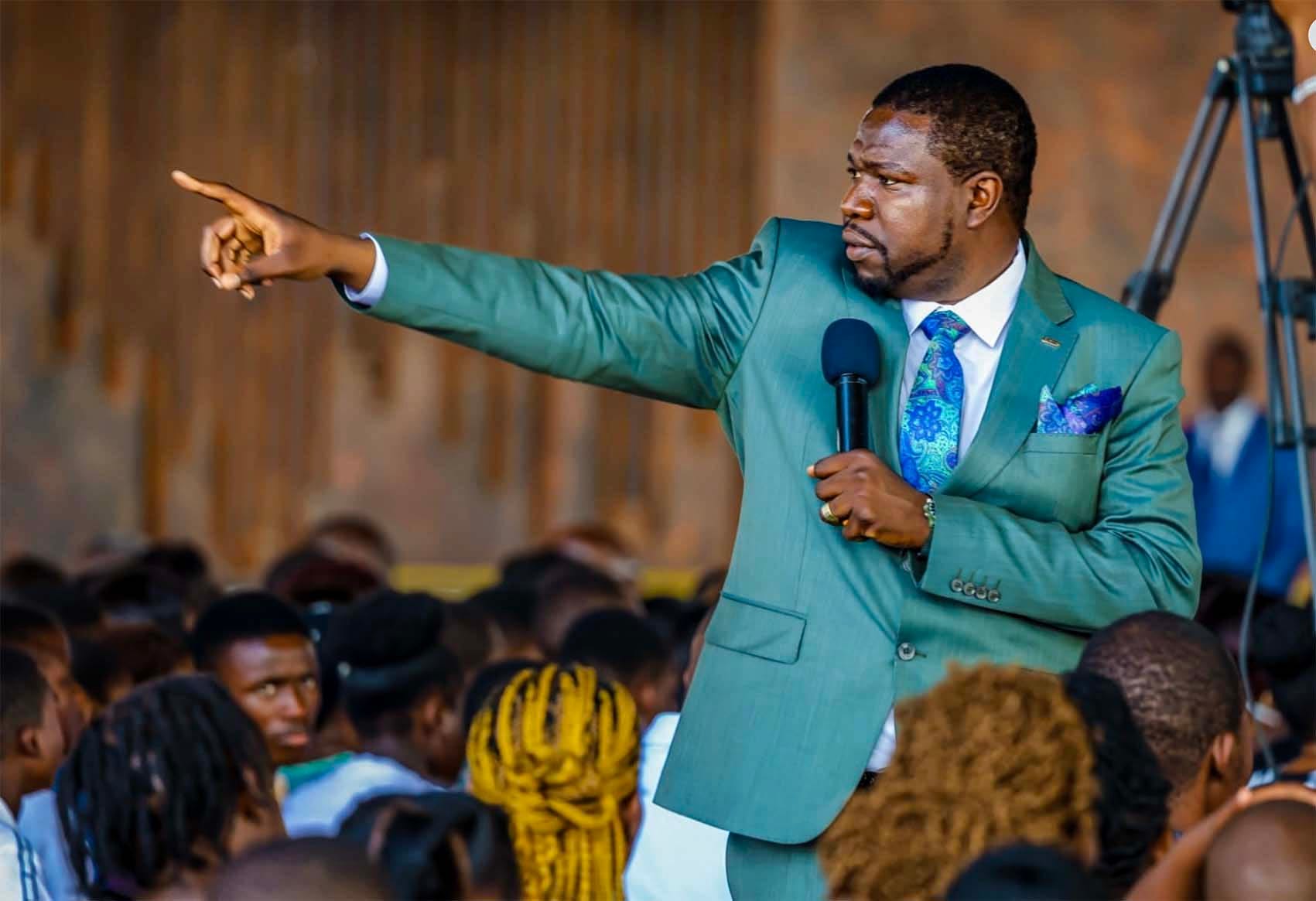
Zimbabwean pastor Walter Magaya is facing four new rape charges. Magaya was released on bail last month from detention that related to five separate counts of rape, but was rearrested this week and remanded again. He faced similar cases in 2016 and 2019.
Magaya, founder of the Prophetic Healing and Deliverance ministries, is also facing 78 counts of fraud. His nine rape charges underscore what activists describe as a deepening crisis of sexual abuse in the country’s churches.
At another church, the Majestic Holy Church of God, in Cold Comfort, Harare, founder Ngonidzashe Masvinu appeared in court in July 2025, facing multiple counts of rape. The Continent spoke to one of his accusers, former congregant Thandekile Mvundla* who grew up in the church. She says Masvinu exploited her trust and fear.
“He read the Bible for me, then told me I was given to him by the Holy Spirit,” Mvundla said. “He said if I refused, I would be punished by the Holy Spirit.”
Mvundla said she lived with the abuse for years before telling her parents last January and eventually leaving the church. “I was traumatised. I am still depressed. He [wanted] to beat me if I went against his will.”
Another former congregant, Mavis Chari*, alleges the pastor began abusing her at age 15 and that it went on for six years. “He said I was his wife and, if I refused to sleep with him, I would die mysteriously,” she said.
According to his own biography, Masvinu served a five-year prison sentence from 1996 after being convicted of raping a minor. He did not respond to multiple attempts by The Continent to seek comment on the new allegations.

At another apostolic church, Johanne Masowe eChishanu in Mabvuku, four women known to The Continent say they were separately assaulted during private prayer sessions with their leader, Agrippa Mugadza. One, Linda Chinemo, said she reported the matter to Mabvuku police station. The police say the case is still being investigated and declined to comment further.
Chinemo believes the perceived lack of action has discouraged other women from coming forward. “After I told my husband about it, he left me,” she said.
Pettina Rugango described being called aside by the pastor during an all-night prayer session. “I followed him innocently. [He] said something had to be done to save my life before it was too late. I was in shock and only realised later that I’d been raped,” she said.
Mugadza denies these accusations, telling The Continent the women were attempting to extort him. Church elders said the allegations were aimed at tarnishing the pastor’s image.
Women’s rights advocates and some religious leaders say these cases reflect a broader national problem: congregants who experience abuse are silenced by stigma or fear or retaliation – or that they won’t be believed.
The public profile of alleged perpetrators can also contribute to frustrating justice, said Reverend Elitha Moyo of the Evangelical Lutheran Church in Zimbabwe. “When religious leaders, looked up to as moral guides, are implicated in such abuses, it can create an environment of fear and silence.”
Zimbabwe’s minister of women affairs, Monica Mutsvangwa, said: “My mandate is to empower our women and make sure they have access to information to use the laws and policies to criminalise those who trample on their rights.”
Mugadza denies these accusations, telling The Continent the women were attempting to extort him.
Zimbabwe’s laws prescribe a minimum 15-year sentence for rape, but survivors say its reporting mechanisms are intimidating and inconsistent.
“We need to create safe spaces for rape survivors to speak out and seek justice without fear of victimisation,” said activist Bridget Mashayahanya.
Important investigation on how institutional authority creates environments where abuse goes unreported. The detail about the woman's husband leaving after she reported is crushing and illustrates how victi ms often face double punishment. I've seen similar dynamics in other power structures where speaking out feels more dangerous then staying silent. The point about high-profile perpetrators frustrating justice process needs way more attention.