
Peace must start somewhere
South Africa’s leaders know how hard it is to dismantle segregation and oppression. But they did it. And they did it in peace. Listen to them.

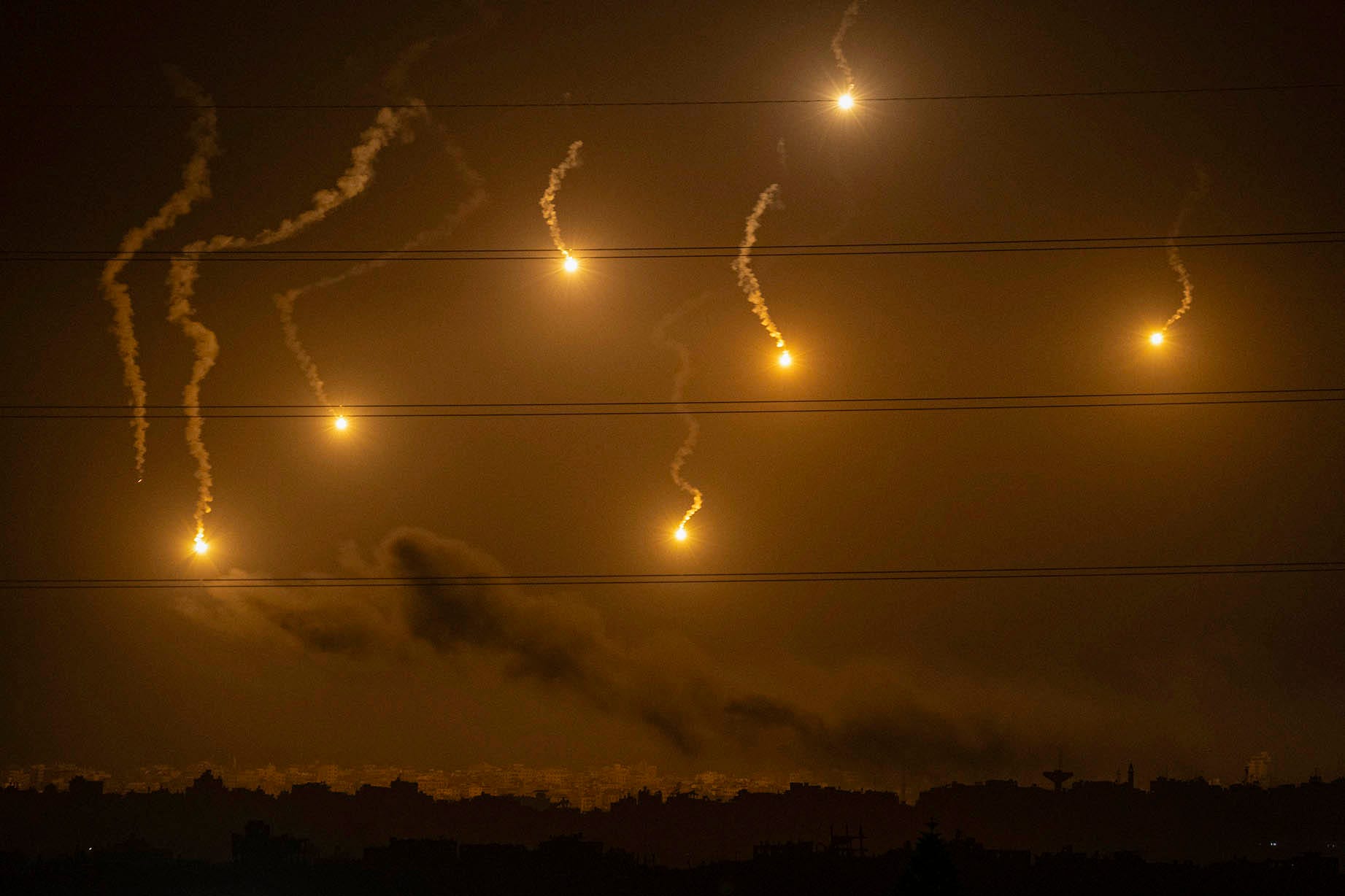
In its severity and its brutality, the month-long war in Gaza is already among the worst conflicts in human history. Inside the Gaza Strip, two million people live in an area that is just 41km long and 12km wide. That area is being subjected to the most intensive aerial bombardment ever conducted.
More than 10,000 people in Gaza have already died (in addition to the 1,400 people who were killed during the Hamas attack on Israel on 7 October). Of these, at least 4,401 are children.
No one is safe there. It is already among the deadliest wars ever for journalists, with 39 killed in the first month. Hospitals and refugee camps have been repeatedly targeted by airstrikes. And 92 United Nations staff have been killed: the body says no other conflict has ever claimed so many UN lives in such a short time.
A blockade on goods into and out of the territory means that food, water, fuel and medical supplies are running desperately short, leading to fears of widespread hunger and disease.
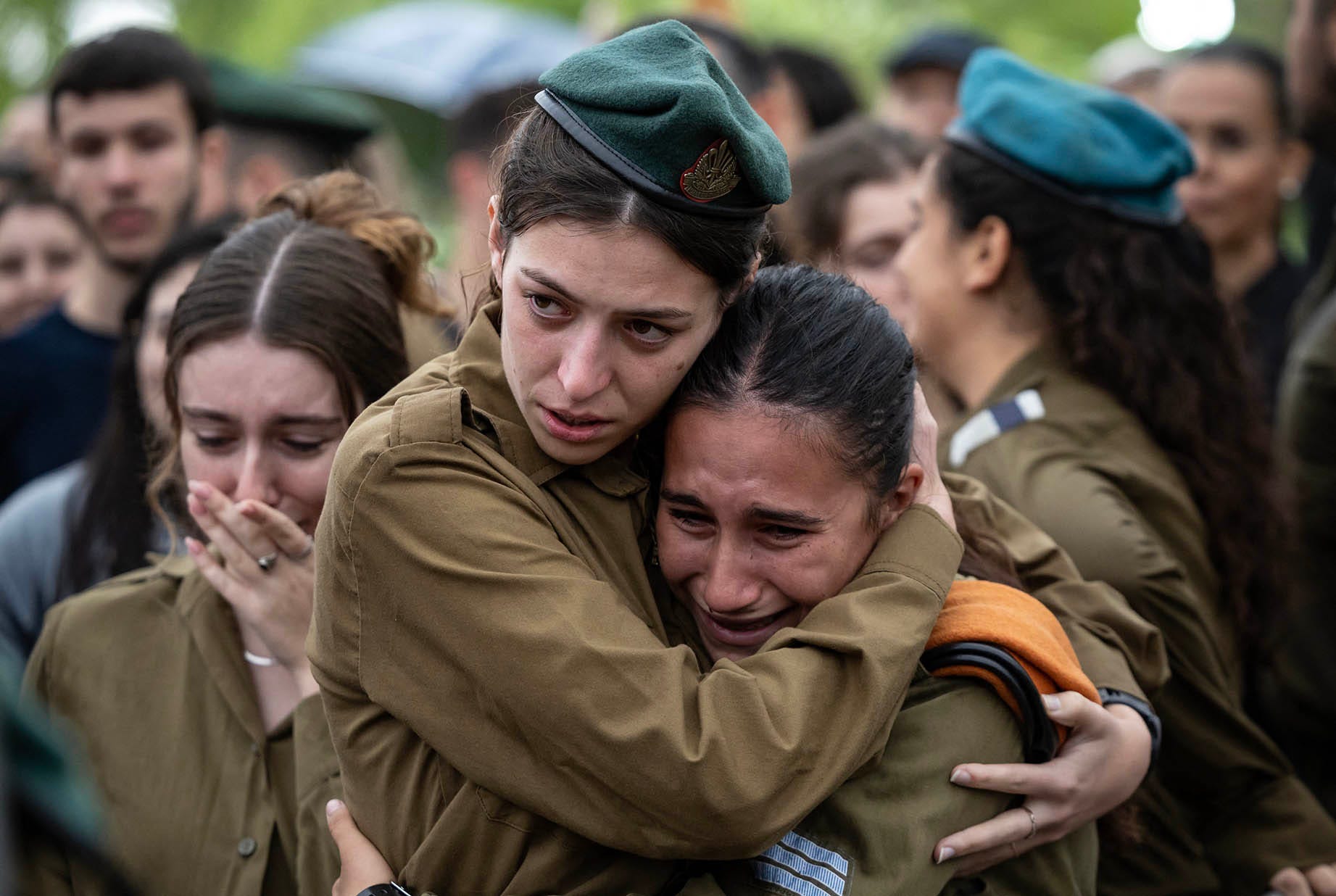
Israel claims that its military assault is targeting members of Hamas, the political party and militant group that executed the horrific 7 October assault on Israel that killed 1,400 people – mostly civilians. Hamas also kidnapped 240 people and is holding them hostage in Gaza.
Hamas’s actions are war crimes. They must be condemned as such.
But Israel’s response has been so disproportionate, and so indiscriminate, that some observers fear that a genocide is unfolding.
One of those observers is Naledi Pandor, South Africa’s minister of international relations and cooperation. The South African government has been an outspoken critic of the Israeli government’s actions over the past month, going so far as to recall its diplomats from Israel in protest. It has also condemned the Hamas attack.
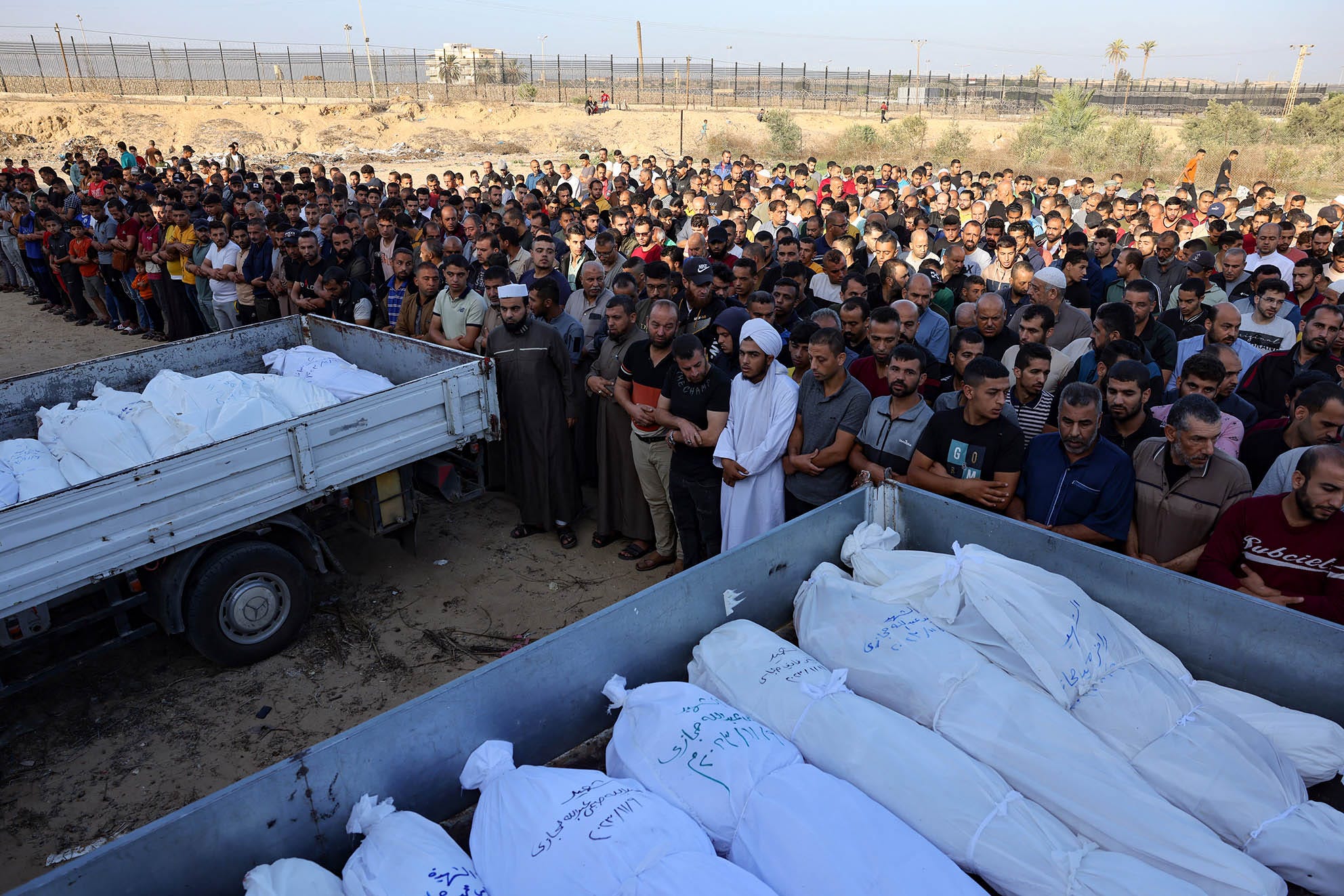
“We join the world in expressing horror at the war crimes being committed in Palestine through targeting civilians, civilian infrastructure, UN premises and other vulnerable targets,” Pandor told South Africa’s Parliament on Tuesday, before outlining a seven-point plan to resolve the conflict. She went on to describe the assault on Gaza as a “genocide in the making”.
“These experiences remind us of our experiences as black South Africans living under apartheid,” she said.
The bitter lessons of history
South Africa’s post-apartheid leaders have long seen their own struggle reflected in the plight of the Palestinians. “We know too well that our freedom is incomplete without the freedom of the Palestinians,” said Nelson Mandela in 1997.
Archbishop Desmond Tutu, another Nobel Peace Prize laureate, was even more blunt. Speaking about his own visits to Israel and Palestine, he said: “I know first-hand that Israel has created an apartheid reality within its borders and through its occupation,” he said in 2014. “The parallels to my own beloved South Africa are painfully stark indeed.”
Given these parallels, South Africa’s leaders are perhaps better qualified than most to weigh in on how to resolve this particular conflict. They are some of the few people on the planet with first-hand experience in dismantling the structures of violent segregation.
The country peacefully transitioned to democracy in 1994, after centuries of brutal colonial and racist rule. It did so with internal and international observers fearing and even expecting civil war. This peace was only possible thanks to the enlightened direction of its new governors. They repeatedly chose to pursue forgiveness and reconciliation rather than justice and vengeance. The country’s subsequent governments have made plenty of mistakes since then, but on this particular subject they have a right to comment – and to be heard.
Pandor’s peace plan calls for an immediate ceasefire and the opening of a humanitarian aid corridor into Gaza – something that has been repeatedly blocked by Israel and Gaza’s neighbour, Egypt. She called for the release of all civilian hostages. She said that the entire area must be declared a nuclear weapons-free zone, and called on other countries to refrain from “fuelling” the conflict.
In the longer term, she called for the resumption of dialogue between the two sides – “led and owned by the Palestinians and Israelis and facilitated by the United Nations” – with the goal of creating two parallel states.
As the bombs continue to rain down, and Israeli troops lay siege to Gaza City, the prospect of two parallel states feels further away than ever before.
But South Africa’s existence as a democratic, inclusive nation is proof that such miracles are not impossible.
In this context, Pandor’s peace plan is a tangible and responsible starting point – especially given the reluctance of other, more powerful nations to stand up for basic human rights and demand an end to the devastating violence.