
Kenya’s first chipmaker caught in superpower crossfire
The nascent manufacturer initially thrived under Washington’s ‘friend-shoring’ strategy. Now it’s being elbowed aside by Trump’s ‘America First’ imperative.

Alexandria Williams in Nyeri
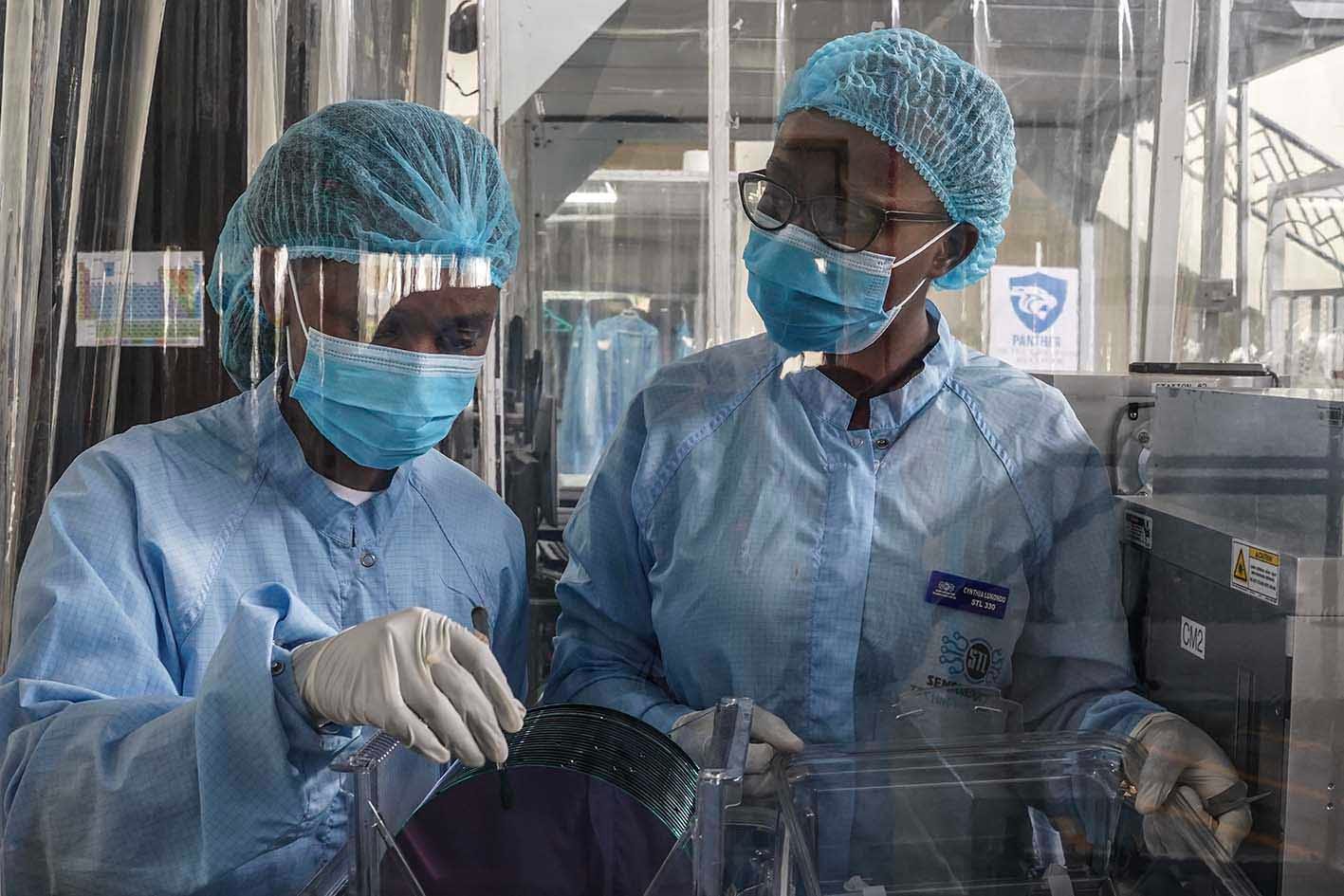
East Africa’s first semiconductor manufacturing plant is tucked between rolling tea plantations in central Kenya. It occupies a repurposed lecture hall on the campus of Dedan Kimathi University of Technology in Nyeri, one of the country’s top technical schools. Inside, mostly young mechatronics engineers move about briskly in lab coats, passing through glass doors, washing their hands, and pulling on hairnets and shoe covers. Beyond the final door lies a cleanroom, where silicon wafers glint under sterile lights.
The plant’s prized innovation is a thin-film lithography machine that engineers have dubbed “Ol Borana”. It was designed in-house and assembled locally from imported parts to ensure local engineers understood every chip component and could repair or rebuild them if global supply chains failed.
The enterprise’s founder is Anthony Githinji, who started Semiconductor Technologies Limited (STL) in 2018 after a 30-year career in the United States semiconductor industry. STL’s lab is tiny compared to the vast manufacturing plants that supply global electronics brands. Yet even here, decisions made in Washington are rippling through the sterile halls.
STL’s dance with US politics began with a positive moment in 2022. The global supply chain for chips was under strain, disrupted by the Covid pandemic and Russia’s war in Ukraine. Both factors exposed the world’s deep dependence on East Asian semiconductor hubs. In response, then US president Joe Biden promoted a strategy known as “friend-shoring”: spreading chip production to US-allied locations like Kenya.
At the time, a large share of chips used in cars, weapons systems, and industrial equipment were manufactured in Taiwan, a flashpoint in US-China relations. Washington increasingly viewed this as a national security risk. Friend-shoring, the prevailing theory went, would build redundancy outside China’s orbit.
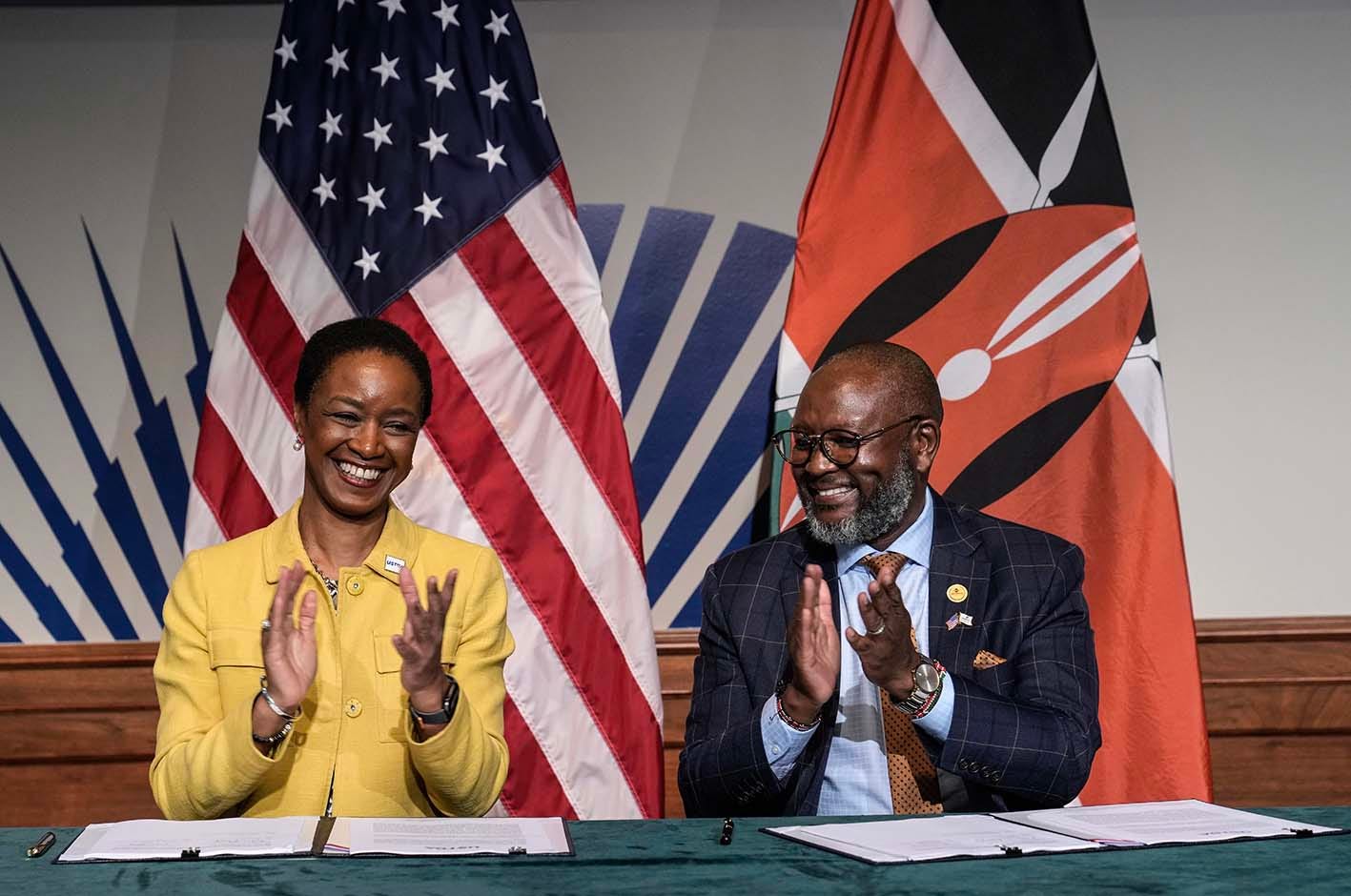
This marked a breakthrough for STL, Kenya’s only semiconductor manufacturer. In early 2022, the company received a $1.3-million grant from the US Trade and Development Agency.
Compared to STL’s ambitions, the grant was modest. Currently, STL is producing experimental runs. Beyond that, Githinji’s full vision is to produce up to 30,000 wafers a month for government and industrial clients. That requires about $350-million for equipment alone.
But the US government partnership still mattered because it brought access to suppliers, buyers, and discounted raw materials such as silicon wafers. It recognised that Kenya could play a role in an industry dominated by East Asia, Europe, and the US, a vote of confidence that had the potential to sway other investors.
Until that point, Githinji’s team had sustained the work through a mix of self-financing, institutional support, and grants from the Mastercard Foundation.
Githinji struggled to convince investors. Many of them didn’t believe that Kenya had the education system, infrastructure, and workforce needed for competitive chip manufacturing. Then US politics shifted again with Donald Trump’s second presidency, which began a year ago. The new administration in Washington dropped friend-shoring for a more inward-looking approach, prioritising domestic production over external supply chains. Programmes that had positioned Kenya as a strategic partner quietly fell away.
The new administration in Washington dropped friendshoring for a more inwardlooking approach, prioritising domestic production over external supply chains.
Without the promise of sustained US partnership, STL’s path to the scale Githinji envisioned is narrowing again. The company has sought alternative funding, including £300,000 from the United Kingdom, according to Lorna Muturi, its lead engineer. But attracting customers requires proof of scale – and proving scale requires much more capital than that.
Not the end of the road
Githinji remains convinced Kenya has the fundamentals it needs to play a role in the industry. “Kenya has everything it needs to be a semiconductor powerhouse,” he argues, pointing to the country’s mineral resources.
A 2023 geological survey identified more than 950 mineral deposits countrywide, including copper and aluminum, both essential to electronics manufacturing. Germanium has been identified in Kenya’s Rift Valley. Niobium, a superconducting material, has been found in Mrima Hills, drawing interest from US, Chinese, and Australian investors.
“This surge of geopolitical interest tells us something,” says Dr Nashon Adero, dean of the School of Mines and Engineering at Taita Taveta University. He calls for resource agreements that build local capacity instead of just extracting value.
The fate of Kenya’s chipmaking industry might not be decided only by external demand and partnerships, anyway. “We aren’t just building chips,” Githinji told The Continent. “We’re trying to build resilience in a continent that has depended on others for critical technology.”
Photos on the lab’s walls echo this eye on both internal and external demand: a plaque from US weapons manufacturer Lockheed Martin, as well as mock-ups of chips for secure communications for Kenya’s county governments.
But vision, experimental labs, and raw minerals do not an industry make – and local market demand is often too low in the early stages. Tshilidzi Marwala, former vice-chancellor of the University of Johannesburg, points to South Africa’s experience with a university-based semiconductor lab. “There was no market beyond the institution itself. Cleanrooms are extremely expensive to maintain,” he said.
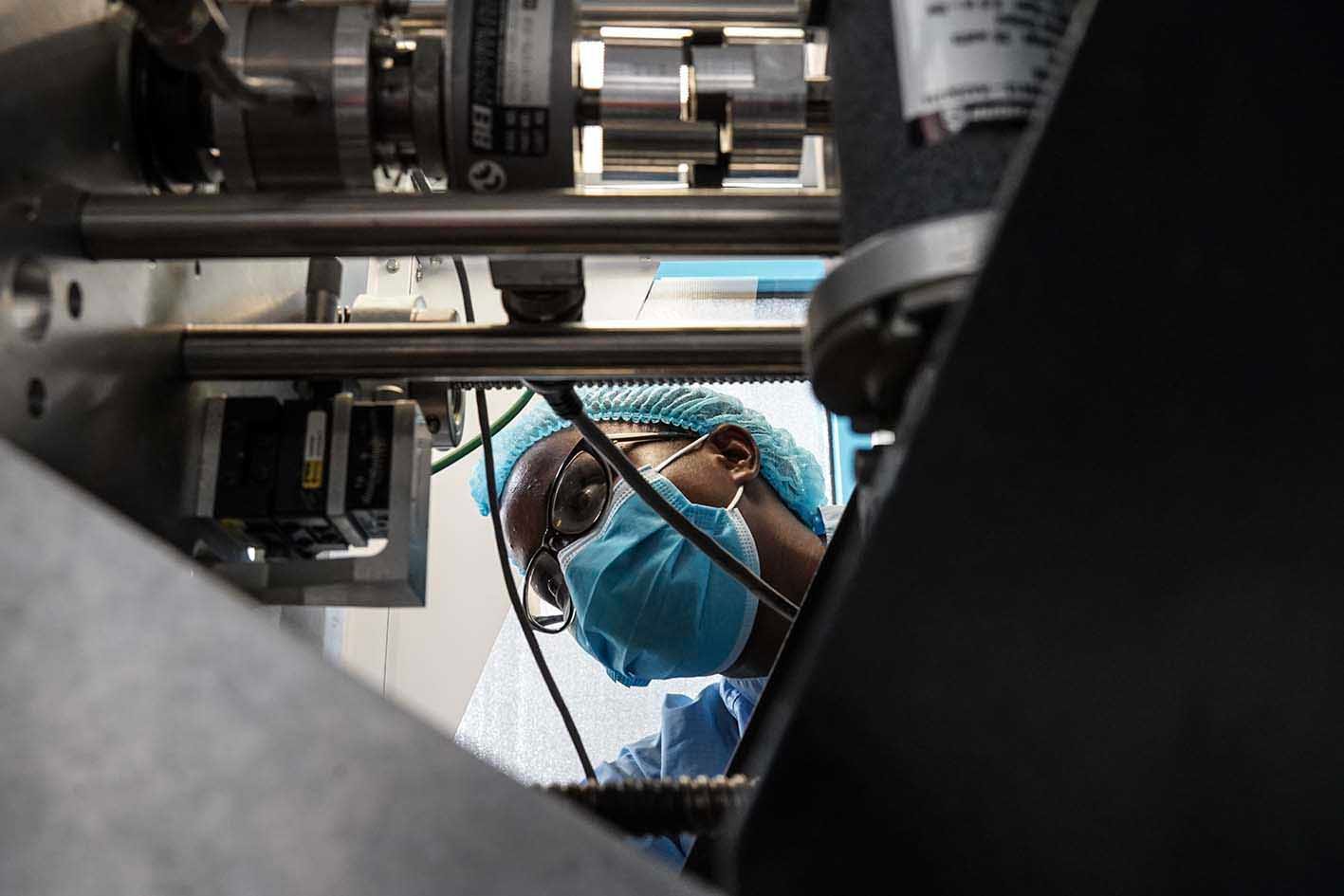
A single cleanroom, essential for protecting sensitive microchips from dust, can cost upwards of $2-million. STL operates three.
The Vietnam fix
Kenya is not alone in the fallout from shifting geopolitics on microchips. Vietnam, another US ally, also began building its semiconductor industry with backing from Washington. When US funding slowed, Vietnam’s government stepped in with $500-million in public investment for its first manufacturing plant. Today, Vietnam is widely regarded as an emerging semiconductor hub, having attracted major investment in chip assembly, testing, and advanced packaging. Like STL, its entry into the industry began at the lower end of the value chain.
At STL, wafers still move through cleanrooms etched by machines built far from Silicon Valley. Whether they mark the foundation of a Kenyan semiconductor industry or another casualty of a chaotic geopolitical moment remains to be seen.