
As gold prices soar, Uganda's artisanal miners get edged out
Small-scale miners are being sidelined as new laws and industrial giants move in, leaving those who first unearthed the wealth struggling to survive on the margins.

Soita Khatondi Wepukhulu in Busia
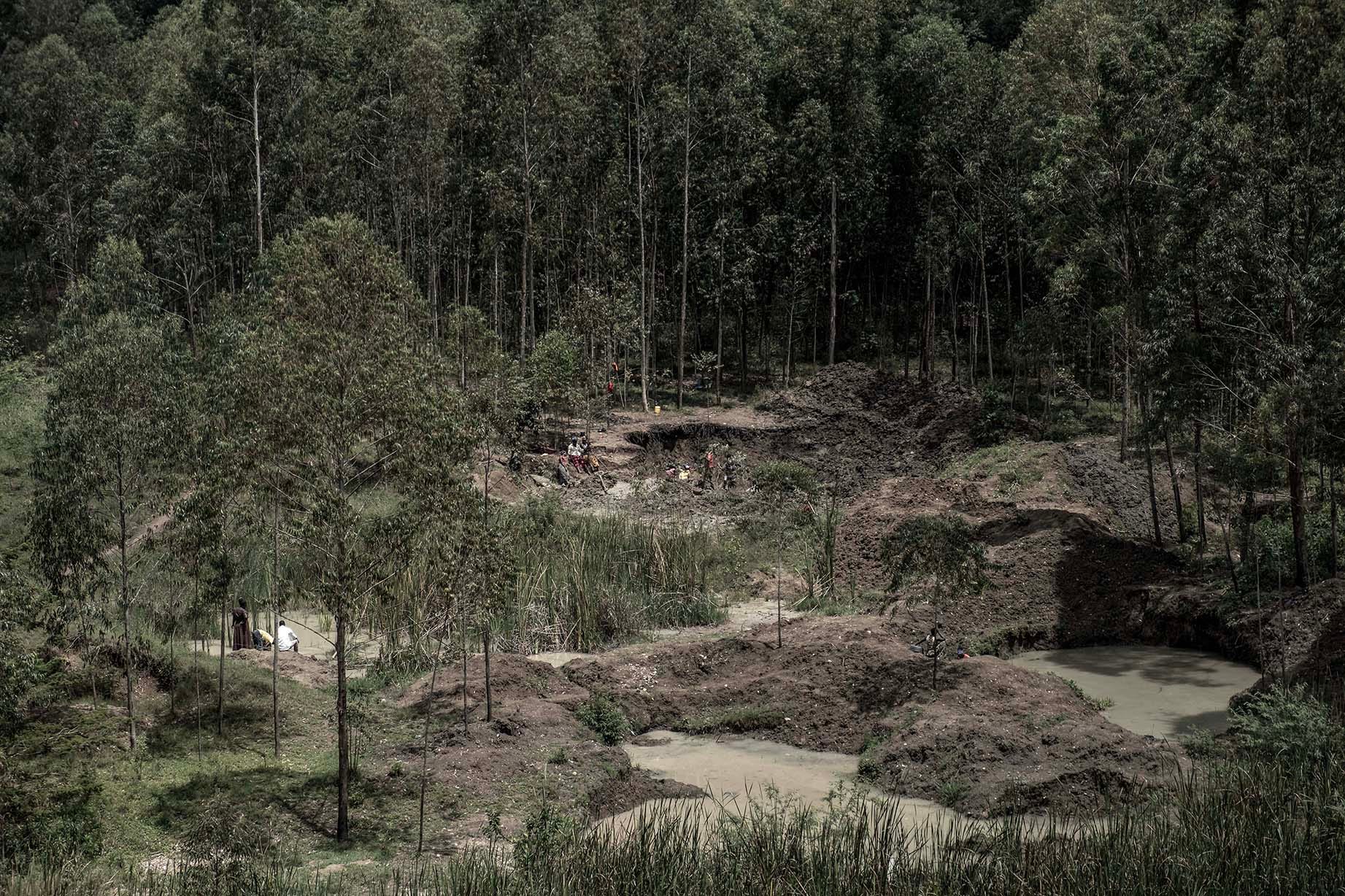
The road to success and frustration is paved with gold in Tiira, a town in the eastern Uganda district of Busia.
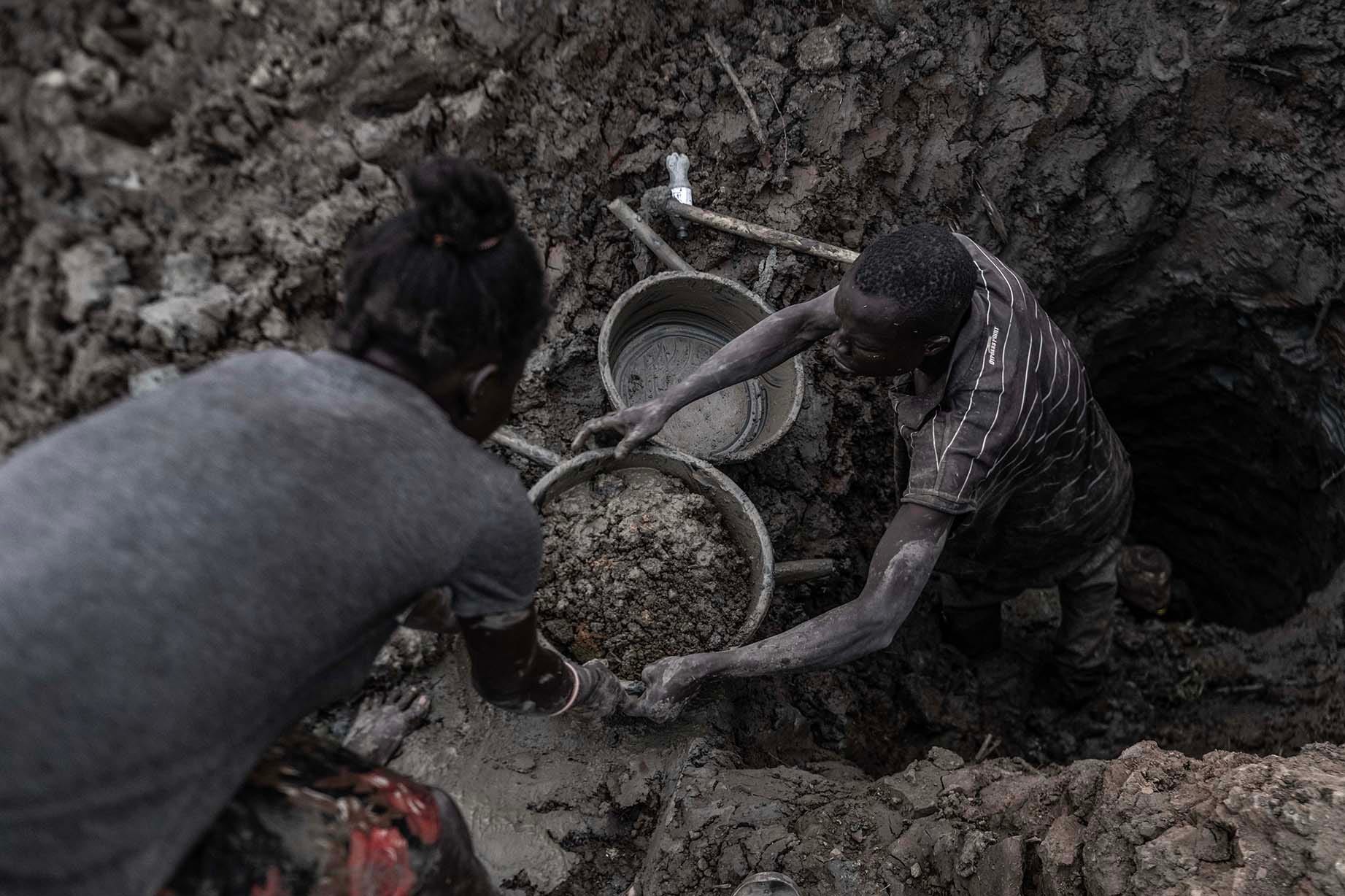
Behind lines of grocery shops, two men crank a winch, lowering or raising poles and miners 150m underground. “If one doubts the men working the winches, they cannot survive. If they don’t trust the people going down the shafts, we can’t earn,” says Vincent Bura, the site manager.

For decades, gold mining and processing in the area was an affair of artisanal miners, working with shovels and hoes. But as Uganda formalises its gold sector, they see their interests being edged out. “Only the government has the power to change policies to favour us local miners,” Bura says. “But it appears it’s now too late.”
Just 4km away from this site, Uganda’s President Yoweri Museveni commissioned the $250-million Wagagai gold mine and refinery, run by Chinese investors. The concession covers nearly 10km² and is estimated to hold up to 30-million tonnes of gold ore.
Although the foreign-backed gold mine boasts better equipment, Tiira’s miners are reluctant to work there. Bura says he prefers small-scale landlords’ mines, where workers feel valued, compared to Wagagai’s rigid work environment.

The government’s reforms are designed to attract investors and maximise output, with gold prices this month at a record high of $4,100 an ounce. But the new rules are pushing out small-scale operators. “We are not supposed to use open-cast mining and have been told to use underground shaft mining – yet we don’t have the capacity,” says Stephen Padde, the head of the Busia Gold Mining Association. A licence is $300 and environmental impact assessments cost between $20,000 and $50,000.
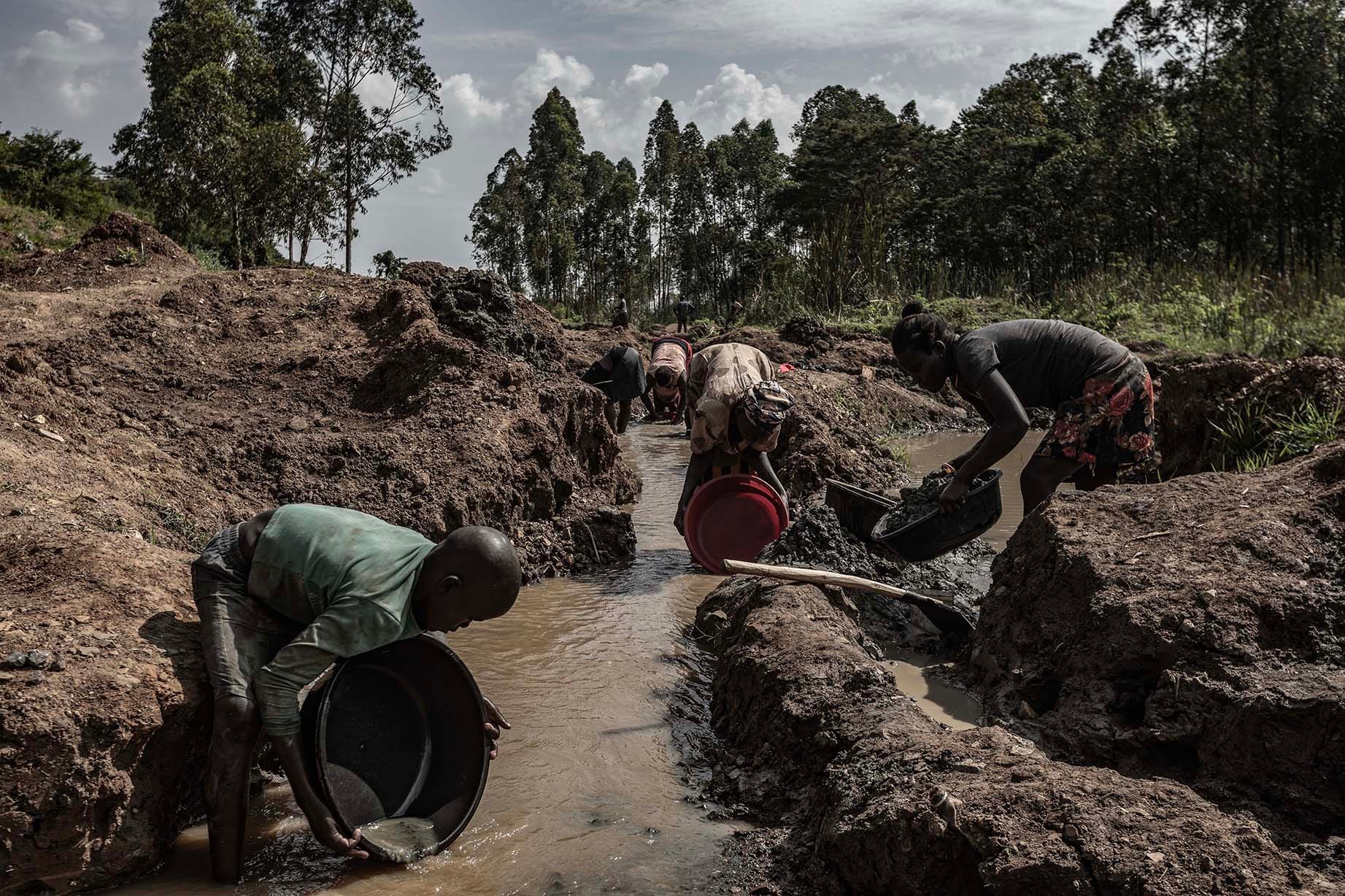
Licensed miners, such as the Tiira Small-Scale Miners Association, are faring slightly better. Their 16-hectare site has electricity-powered winches and air blowers. Children no longer work there, though unlicensed miners – mostly women – are allowed to sift through old pits “as a way of giving back”, says association secretary Josephine Aguttu.
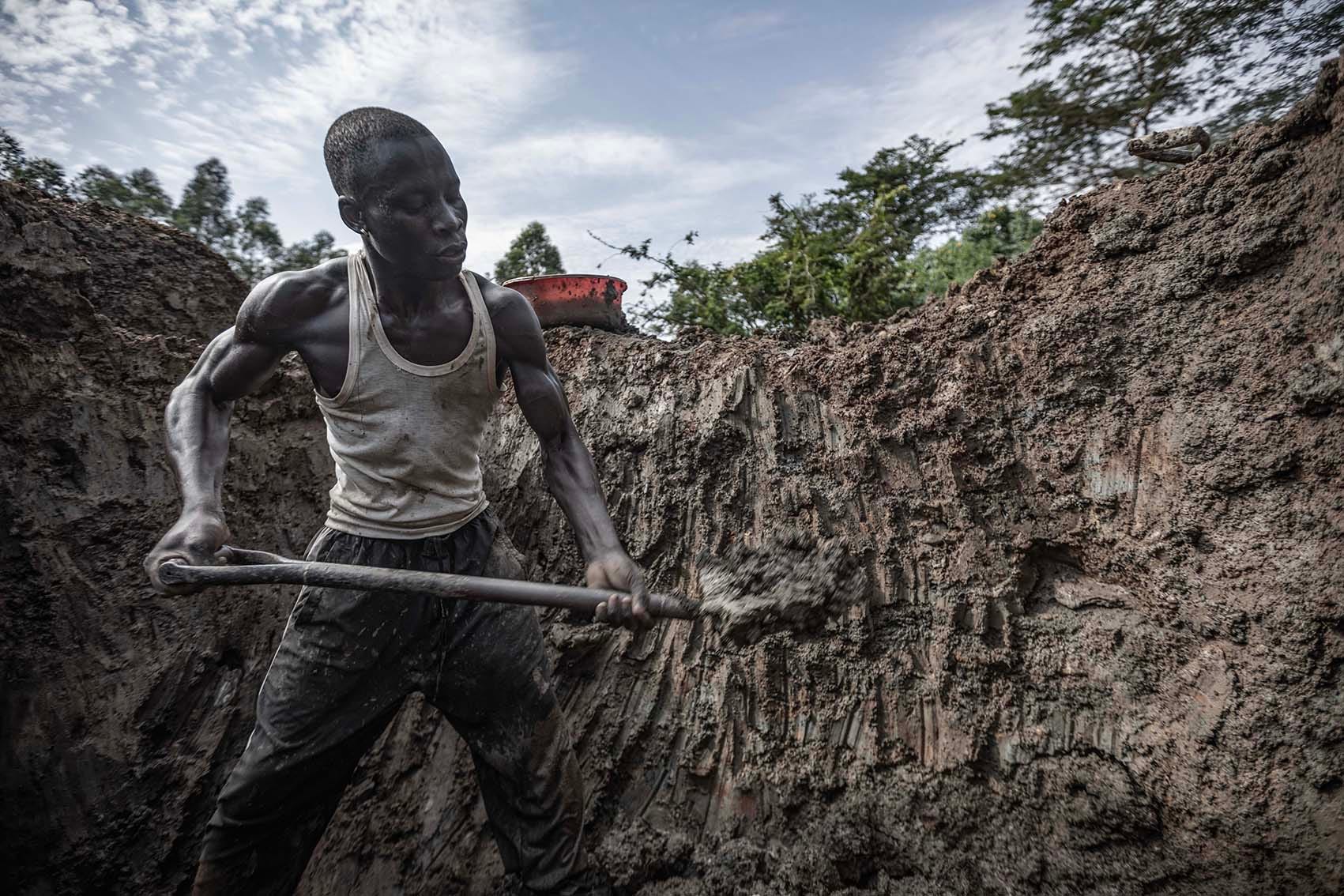
Aguttu says that they are open to a partnership of 49% for investors and 51% for indigenous landlords and artisanal miners. In such a partnership, the hope is that the investors would meet operating costs, including the miners’ pay.
But foreign investors have shown little interest in partnering with local associations, according to Padde. Banks are just as lukewarm towards small-scale mining, seeing it as a gamble.

Despite producing 90% of Uganda’s gold – which earned $3.09-billion in export revenue in 2024 – the local miners rely on informal money lenders, who operate with little to no regulation.
Relief may come from the government’s new gold-buying programme, announced in July. Bank of Uganda director Adam Mugume told The Continent the central bank hopes to use purchase contracts as collateral for low-interest loans to mining associations. Mugume said the Bank of Uganda had received 15 applications for the programme, but only eight applicants have secured full licenses.
With direct buying from miners and the Wagagai refinery, authorities hope to restore Uganda’s credibility on the global gold market. Scrutiny over gold smuggling from the Democratic Republic of the Congo led to European Union and United States sanctions against the owner of Africa Gold Refinery in 2022. It was Uganda’s only gold refinery, which cast a shadow on all gold exports from the country. “We don’t want to deal with refineries that may co-mingle our gold with that from outside Uganda,” Mugume says.
But for miners such as Irene Kakai, who has worked the pits since 2007, these reforms feel distant. “On a good day, we might find gold worth 60,000 shillings ($17),” she says, jabbing the ground with a metal rod to guess where gold ore might be. “Sometimes, you go weeks without.” A nearby pit had caved in overnight, burying several days of labour and hope.
More than 300,000 Ugandans – nearly half of them women – are smallscale miners. They are the ones who first break the ground, but when investors come rushing in, they are often the first to be pushed out.